The Many Facets of Human Expression
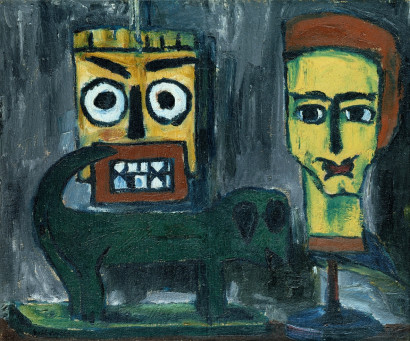
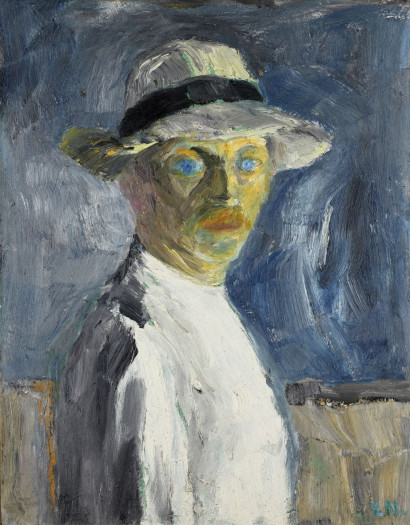
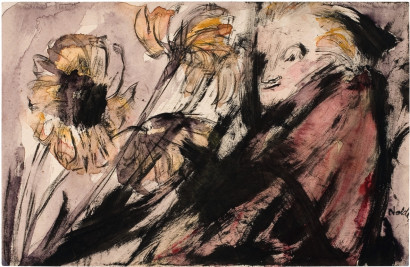
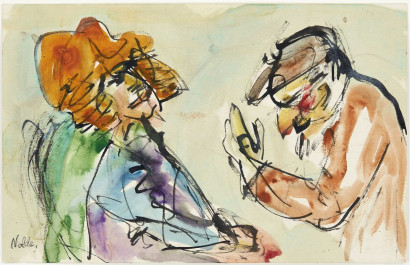
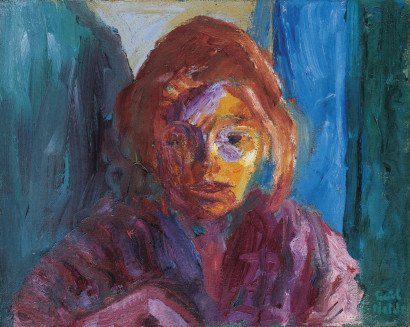
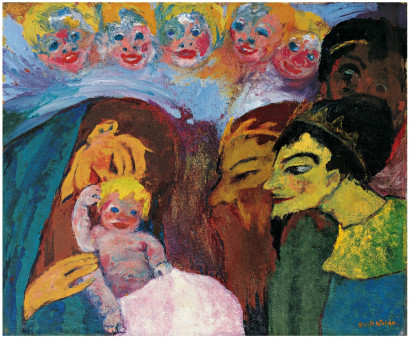
Emil Nolde is best known for his vibrant flower gardens, turbulent seascapes and intensely coloured landscapes. Yet the human figure also occupied an important place in his extensive body of work. From the very beginning of his artistic career, he was drawn to human character, encounters and relationships. He explored these subjects in paintings, watercolours, drawings and prints, depicting people in all their diversity.
Nolde considered himself a painter of people. However, he was not primarily interested in achieving a faithful likeness in a portrait. Rather, he sought to capture the inner nature, personality and character of those he portrayed. His figure paintings reflected how he perceived, experienced and felt the people around him. They told of family experiences and human encounters, of tensions between the sexes, and of emotions such as love, desire, fear, astonishment and curiosity.
Around 170 works from different areas and periods of Nolde’s artistic career were brought together in the Picture Hall, the adjoining galleries and his former studio. Alongside well-known masterpieces, the exhibition also presented rarely shown and little-known works. These included a watercolour portrait of Ada Nolde, acquired by the Seebüll Ada and Emil Nolde Foundation the previous year. To mark the 140th anniversary of her birth, it was displayed in a dedicated gallery alongside other portraits of Ada Nolde. Another special gallery presented Nolde’s ceramics comprehensively for the first time, including unique pieces originally made for domestic use.