The Expressive Power of Small Formats
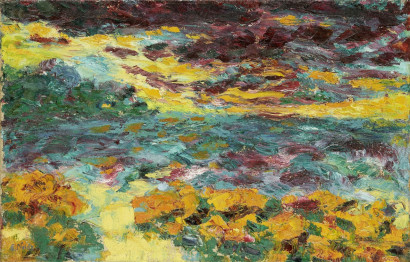
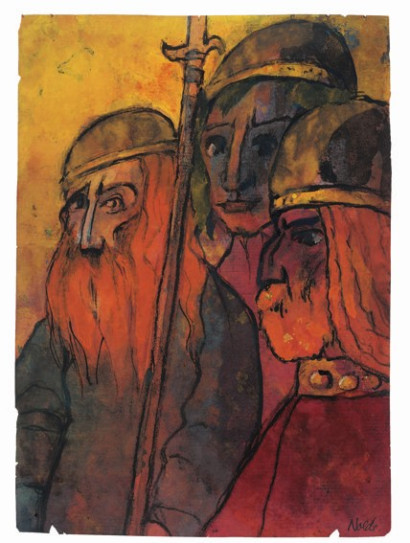
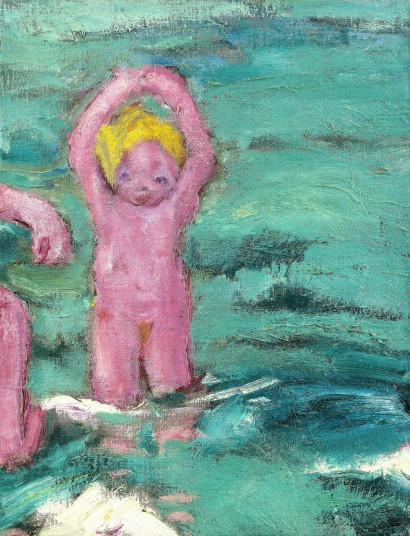
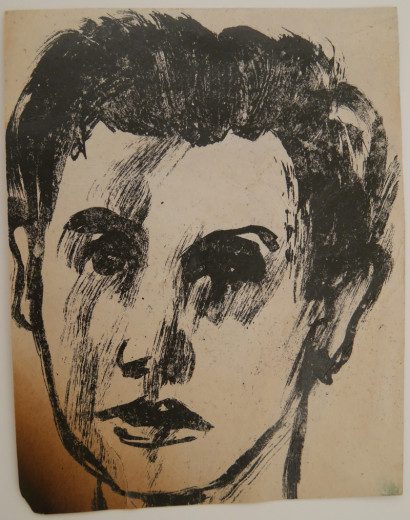
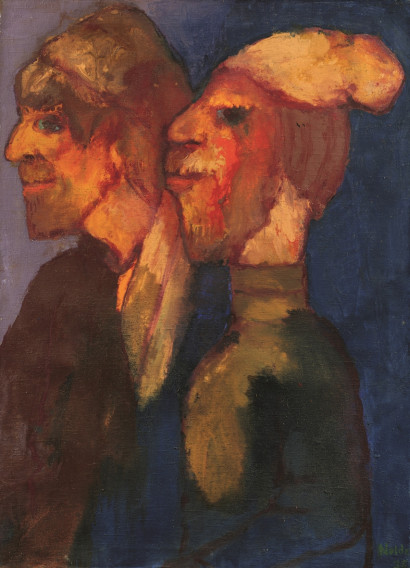
For the first time, the annual exhibition approached Emil Nolde’s work from a formal perspective rather than focusing primarily on thematic, subject-related or chronological considerations. Alongside the subject matter and painting technique, particular attention was therefore given to the size of the works. Whether a painting was portrait, landscape or square in format, and the dimensions it possessed, had a significant influence on its impact and on the viewer’s perception.
While large-format paintings were often intended to be viewed from a greater distance, smaller works allowed for a more immediate and intimate encounter with the artwork. They offered scope for finer representations and more nuanced detail. The choice of artistic medium – whether oil, watercolour, pastel or pencil – also played an important role in shaping each work’s expression and composition.
The exploration of small formats proved particularly fascinating in the context of Expressionism, of which Emil Nolde was one of the leading representatives. The movement was characterised by heightened expressiveness, vivid and frequently unmixed colours, bold simplification of forms and a deliberate reduction of subject matter. The direct translation of passionate experiences and emotions into art often called for a generous pictorial surface and a corresponding visual impact when viewed from a distance.
This made the exploration of his small-format works all the more fascinating, revealing another dimension of his artistic ability. The exhibition demonstrated that Nolde’s distinctive expressive power was not confined to monumental formats. Even on a smaller scale, he developed an impressive range of painterly possibilities, opening up a unique approach to his art.