The question of what makes a work of art a masterpiece formed another key theme of the exhibition. The quality of a work is not determined solely by its art-historical significance or its place within an artist's overall body of work. The period in which it was created, the response of the public, and the assessments of art historians, critics and art dealers also shape its recognition. Artistic achievements have often only been fully appreciated and rediscovered with the passage of time.
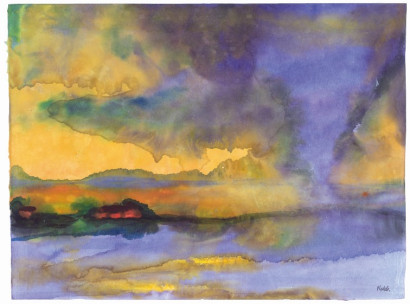
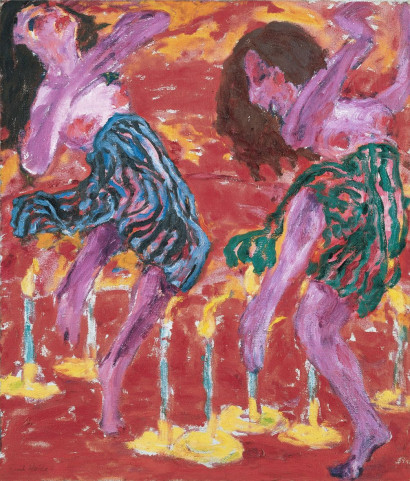
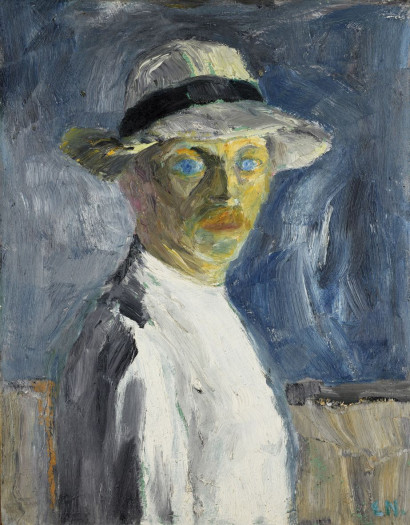
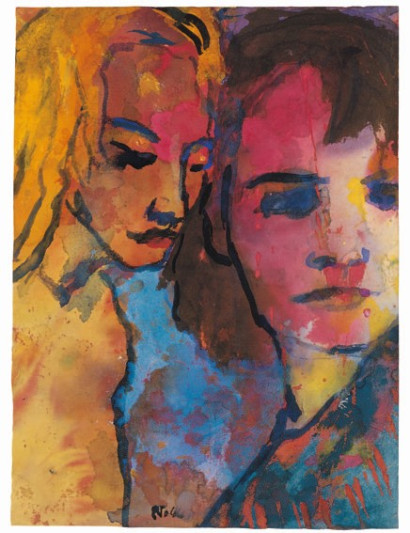
Emil Nolde's work was also shaped by this process. While some of his paintings attracted considerable attention during his lifetime, others were initially met with incomprehension and rejection. Drawing on the extensive collection of the Nolde Stiftung Seebüll, works could repeatedly be presented that had not been shown publicly for many years, and in some cases had never been exhibited before. Seen in a new exhibition context, they revealed fresh connections and perspectives.
The exhibition demonstrated that even established masterpieces can be revisited and reconsidered time and again. It is precisely this ongoing process of engagement that makes art history a living discipline. As Joachim von Lepel, Nolde's close confidant and the founding director of the Nolde Stiftung Seebüll, once observed, the particular fascination of Nolde's oeuvre lay in its remarkable breadth, both in subject matter and artistic approach, which continually offered new discoveries. The exhibition in 2017 reaffirmed this insight: a masterpiece reveals its distinctive power anew through the encounter between the work of art and the viewer.